






Sensory Play for Autism: Parent's Guide (2026)
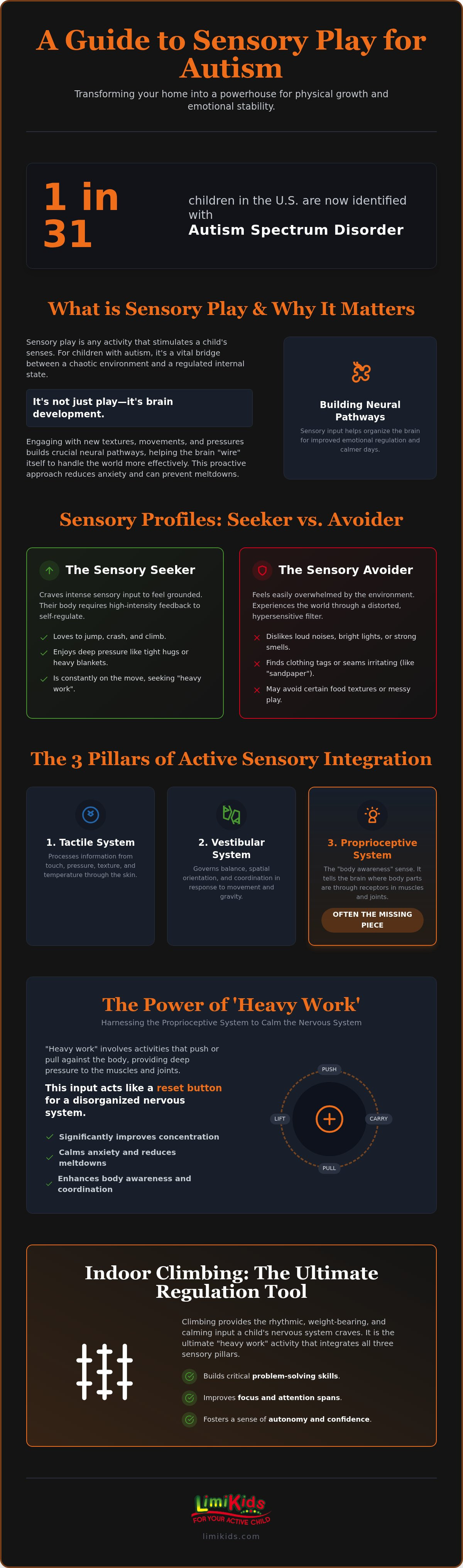
With 1 in 31 children in the U.S. now identified with autism spectrum disorder, the search for effective sensory play for kids with autism has never been more urgent. You've likely spent hours decoding complex clinical jargon or replacing fragile plastic toys that just can't keep up with a child who needs to jump, climb, and crash to feel regulated. It's exhausting to manage constant sensory seeking while worrying about safety and durability in your own living room. You want a calmer child and a home that encourages growth without the constant mess.
We believe your home should be a powerhouse for physical and emotional development. This guide reveals how to transform sensory play from basic tactile activities into a high-impact system for motor development and emotional stability. You don't need a medical degree to build a better environment for your child. You just need the right strategy to bridge the gap between simple play and active, functional movement.
We will explore the best equipment for building coordination, proven strategies for calming the nervous system, and ways to encourage safe, independent play that lasts through the years. Get ready to turn your home into a space where your child can finally find their balance and thrive.
Key Takeaways
- Understand how targeted sensory input helps "wire" the brain for improved emotional regulation and calmer days.
- Master the three pillars of active sensory integration to transform sensory play for kids with autism into a powerful tool for physical growth.
- Balance fine motor exploration with "heavy work" by choosing the right combination of sensory bins and indoor gym equipment.
- Build a secure, sensory-friendly space at home by identifying if your child is a "seeker" or an "avoider."
- Use indoor climbing as the ultimate regulation tool to provide the rhythmic, calming input your child’s nervous system craves.
What is Sensory Play for Autism and Why Does it Matter?
Sensory play is more than just a buzzword. It involves any activity that stimulates a child's senses, including touch, sight, sound, smell, and movement. For many, sensory play for kids with autism acts as a vital bridge between a chaotic environment and a regulated internal state. It isn't just about fun; it's about brain development. Every time your child engages with a new texture or pushes against a climbing wall, they are building neural pathways. This input helps "wire" the brain to handle the world more effectively.
Many children with autism are "sensory seekers." They don't just want to move; they crave it. These kids often jump, crash, or push against furniture because their bodies require high-intensity feedback to feel grounded. This is often linked to Sensory Processing Disorder, where the brain struggles to interpret signals from the body. By providing a controlled outlet for "heavy work" and deep pressure, you give your child the tools to self-regulate. This proactive approach reduces anxiety and helps prevent meltdowns before they start. You're giving them a safe way to release energy and find their center.
Sensory Processing and the Autism Connection
Children on the spectrum often experience the world through a distorted filter. For some, a simple tag on a shirt feels like sandpaper. For others, they might not feel enough input, leading them to seek out intense physical contact. This imbalance makes daily tasks like dressing or eating incredibly difficult. Sensory integration is the brain's ability to organize and respond to information from the environment. When we improve this integration, we make the rest of the day easier for the whole family. It transforms a child's ability to navigate their physical space with confidence.
Benefits Beyond the Senses: Social and Cognitive Growth
The impact of active play reaches far beyond physical strength. It builds critical problem-solving skills. When a child navigates an obstacle, they are learning to plan, execute, and adjust their movements. This physical mastery translates directly to improved focus and longer attention spans in the classroom. By encouraging independent discovery, you foster a sense of autonomy. This is a core reason why many parents integrate Montessori play equipment into their homes. When you prioritize sensory play for kids with autism, you are investing in child-led exploration that builds both a strong body and a resilient mind.
The Three Pillars of Active Sensory Integration
Effective sensory play for kids with autism goes far beyond messy bins or finger painting. To create a truly regulated environment, you must address the three pillars of sensory integration: the tactile, vestibular, and proprioceptive systems. While tactile play focuses on textures and temperatures, the other two pillars are often the missing pieces in a home sensory diet. Balancing these three systems helps your child feel secure, focused, and ready to learn. It's about giving the brain the specific types of "food" it needs to organize information from the world around it.
The tactile system is the most familiar, involving the skin’s response to touch and vibration. However, for a child who is constantly on the move, tactile input alone isn't enough. They need the grounding force of the proprioceptive system and the orienting power of the vestibular system. When you combine all three, you create a comprehensive support system for your child’s nervous system.
Proprioception: The Power of 'Heavy Work'
Proprioception is your child's "sixth sense." It tells the brain where the body is in space through receptors in the muscles and joints. Many children with autism crave "heavy work," which includes any activity that pushes or pulls against the body. This deep pressure acts as a natural calming mechanism. Recent research on indoor climbing suggests that rhythmic, weight-bearing movements significantly improve concentration and sensory regulation in children on the spectrum.
Think of heavy work as a reset button for a disorganized nervous system. Engaging in swedish wall exercises for kids provides that intense, joint-compressing input seekers need to feel calm. Whether they are pulling themselves up a ladder or hanging from a bar, they are getting the deep sensory feedback required to lower anxiety levels. It's a proactive way to manage energy before it turns into a meltdown.
Vestibular Input: Mastering Balance and Motion
The vestibular system, located in the inner ear, controls balance and spatial orientation. It's why some kids love to spin until they’re dizzy while others are terrified of leaving the ground. Mastering motion through swinging, spinning, and hanging upside down is vital for physical confidence. This type of play directly improves how a child uses kids balance and coordination equipment at home.
Safety is the priority when introducing motion. Start slow and let your child lead the pace. Rhythmic swinging is often more soothing, while spinning can be very stimulating. By providing these outlets in a controlled way, you help your child develop better motor planning and physical stability. If you're looking to build this foundation at home, consider exploring our range of indoor playground equipment designed for active sensory seekers.
Sensory Bins vs. Indoor Gyms: Choosing the Right Solution
Selecting the right tools for sensory play for kids with autism often feels like a choice between fine motor focus and high-energy output. Both serve a purpose, but they solve different problems. Sensory bins are fantastic for tactile exploration and quiet time. They ground a child through touch and sight. However, if your child is constantly jumping off the sofa or crashing into walls, a bin won't be enough. They need the structural support of an indoor gym to satisfy their proprioceptive needs and burn off intense energy.
Consider the lifespan of your investment. A sensory bin typically engages a child for about six months before they outgrow the novelty. In contrast, high-quality indoor climbing equipment is built to last. A sturdy climbing frame can support your child's development for 10 years or more, growing with them from toddlerhood through their school years. For parents in small Canadian homes, verticality is your best friend. Swedish walls utilize wall space instead of floor space, turning a narrow hallway or bedroom corner into a full-scale sensory retreat.
When to Use Tactile Sensory Bins
Tactile bins are ideal for children who need to refine their hand-eye coordination and pincer grasp. These activities encourage focused, seated play that calms the mind after a long school day. To minimize the mess, place a large tablecloth under the bin or use a deep plastic tray to catch spills. If you need a quick afternoon activity, try these DIY themes:
- Prehistoric Dig: Hide plastic dinosaurs in a bin of dry rice and provide brushes.
- Arctic Rescue: Use shaving cream as "snow" to hide small animal figurines.
- Garden Sort: Use black beans as "dirt" with silk flowers and small shovels.
- Construction Zone: Fill a bin with kinetic sand and small toy trucks.
- Color Scoop: Use dyed pasta and measuring cups for sorting by shade.
The Case for Structural Sensory Gyms
Sensory seekers require more than just finger-tip stimulation. They need to engage their entire body to feel regulated. This is where permanent equipment shines. A dedicated setup provides the "heavy work" that calms a disorganized nervous system. Beyond just energy burn, the role of indoor climbing for kids development is massive. It builds essential core strength and improves bilateral coordination in a way that seated play simply cannot match.
A permanent gym also reduces "planning fatigue" for parents. You don't have to spend your evening scouring Pinterest for new bin ideas or cleaning up spilled sand. The gym is always there, ready for use. It encourages independent play, allowing your child to self-regulate whenever they feel the urge to move. You provide the safe environment; they provide the discovery.
How to Create a Safe Sensory-Friendly Play Space at Home
Transforming your living room into a sanctuary for sensory play for kids with autism requires a balance of excitement and organization. You aren't just decorating a room; you're building a functional tool for regulation. Start by identifying your child's sensory profile. A "seeker" needs high-intensity movement to feel grounded, while an "avoider" requires a low-stimulus retreat to decompress. Once you understand their needs, pick a location that allows for a clear "fall zone." This means keeping a six-foot radius clear of hard furniture or sharp corners around any climbing gear.
Prioritize multi-functional tools to maximize your space. A Swedish wall with rope attachments is the gold standard because it offers variety without the bulk of traditional plastic toys. Control the environment by swapping harsh overhead lights for dimmable lamps and using noise-canceling rugs to dampen echoes. Finally, introduce the space slowly. Let your child explore one new element at a time to prevent sensory overload and ensure they feel in control of their environment.
Safety First: Mats, Anchors, and Supervision
Safety isn't an afterthought. It's the foundation of successful play. High-density landing mats are a non-negotiable requirement under any climbing gear used for sensory play for kids with autism. These mats absorb impact and provide a predictable, firm surface for jumping and landing. Always anchor your equipment directly into wall studs or ceiling joists. Drywall anchors are never sufficient for the dynamic forces of a child climbing or swinging. Premium equipment should support at least 100kg to ensure total stability and peace of mind as your child grows and gains strength.
Zoning Your Space for Regulation
A well-regulated home needs clear boundaries. Create an "Active Zone" dedicated to climbing and energy burn. This is where your Swedish wall or monkey bars live. Opposite this, establish a "Calm Zone" for tactile bins, weighted blankets, or quiet reading. Use visual cues like colored mats or floor tape to define these boundaries. This helps your child understand which behaviors are appropriate in each area. Decluttering is equally vital. A room filled with scattered toys creates visual noise that can trigger anxiety. Keep the "Active Zone" focused on movement and the "Calm Zone" focused on rest to help your child transition between states of arousal more easily.
Ready to build your child's dream gym? Explore our indoor playground equipment to find the perfect fit for your home.
Why Indoor Climbing is the Ultimate Sensory Tool for Autism
Indoor climbing is the "holy grail" of sensory regulation. It provides simultaneous proprioceptive and vestibular input, hitting the two most critical systems for a child’s internal balance. When your child climbs, they aren't just burning energy. They are engaging in a rhythmic, predictable movement pattern. This steady cadence of hand-over-hand climbing rungs acts as a powerful soothing mechanism for a disorganized nervous system. It creates a sense of order in their physical world that translates directly to emotional stability.
Climbing also masters the challenge of bilateral coordination. Using both sides of the body together in a synchronized way is a major developmental milestone. As they navigate a route, they build "Praxis" or motor planning. They have to decide where to put their feet and how to shift their weight. This constant problem-solving builds massive physical confidence. Every successful ascent is a win for their self-esteem and their ability to navigate complex environments. Effective sensory play for kids with autism should always challenge the brain and the body at the same time.
Brachiation and Upper Body Strength
Brachiation, or swinging from bar to bar, is a game-changer for physical health. This movement encourages chest expansion and deeper breathing, which can help lower stress levels. Monkey bars aren't just for the playground; they are essential tools for fine motor development. By strengthening the hands and improving grip through hanging and swinging, your child builds the foundation needed for daily tasks like writing or using utensils. To find the right fit for your space, check out our ultimate guide to choosing an indoor home gym. It covers everything you need to know about bringing these benefits into your living room.
Transforming Your Home with LIMIKIDS
You don't need a massive basement to create a sensory retreat. Our space-saving Swedish Wall design fits into almost any bedroom or hallway. It utilizes vertical space, providing a full-body workout without cluttering your floor. These gyms are a "grow-with-me" solution. As your child’s sensory needs evolve from toddlerhood to the teen years, the equipment adapts with them. You can add or swap attachments to keep the challenge fresh and engaging.
View your sensory gym as a long-term investment in your child's well-being. It’s more than just a climbing frame; it’s a dedicated space for growth, regulation, and joy. Stop settling for fragile plastic toys that don't last. Build a permanent, safe environment where your child can truly thrive. Explore our collection of indoor playground equipment today and take the first step toward a calmer, more active home.
Build Your Child’s Path to Regulation and Strength
You now have the blueprint to move beyond simple tactile bins and embrace the power of active sensory integration. By prioritizing "heavy work" and rhythmic climbing, you provide the specific input your child needs to find their calm. Remember that effective sensory play for kids with autism is about building a permanent, safe environment that evolves with your child’s needs. It's time to turn your living space into a powerhouse for growth and emotional stability.
At LIMIKIDS, we’ve been serving Canadian families since 2008. We use premium materials designed for maximum safety and long-lasting durability. Our equipment handles the most enthusiastic sensory seekers with ease. We also offer fast shipping across Canada to get your new setup delivered right to your door. Build your child's dream sensory gym with LIMIKIDS today! Your child’s potential is limitless, and the right tools make all the difference. Let’s start climbing toward a calmer, stronger future together!
Frequently Asked Questions
Is sensory play only for children with autism?
No, sensory play is beneficial for every child, not just those on the spectrum. It builds neural pathways and improves coordination for everyone. While it's a cornerstone of therapy for children with autism, it's also a powerful tool for neurotypical kids to develop motor skills and focus. Every child needs a balanced sensory diet to help their brain organize information from the environment effectively and efficiently.
How do I know if my child is a sensory seeker or a sensory avoider?
Observe your child's reactions to their environment to identify their profile. Seekers are high-energy kids who constantly crash into things, jump, or crave deep pressure. They need intense input to feel regulated. Avoiders might cover their ears at loud noises, avoid certain textures, or feel overwhelmed in busy spaces. Most children are a mix of both depending on the sense. Identifying these patterns helps you tailor their play for maximum comfort.
What are the best sensory activities for a child who hates being messy?
Focus on dry tactile activities or gross motor play if your child dislikes messy textures. Use bins filled with dry beans or rice instead of slime or water. Better yet, pivot to active play. Climbing, swinging, and hanging provide massive sensory feedback without any sticky cleanup. These activities give your child the heavy work they crave while keeping their hands and your floors completely clean and dry.
How much space do I really need for an indoor sensory gym?
You need surprisingly little floor space for a vertical Swedish wall gym. Most units occupy less than two square feet of floor area because they utilize your wall's height. You just need a clear fall zone around the equipment for safety mats. This space-saving design makes it easy to turn a bedroom corner or a hallway into a functional area for sensory play for kids with autism without sacrificing your home's layout.
Can climbing equipment help with my child's sleep patterns?
Yes, engaging in heavy work through climbing can significantly improve sleep quality. Pushing and pulling against resistance helps regulate the nervous system and releases pent-up energy. This physical exertion helps a child's body transition into a rest state more easily at night. A well-regulated child is often a child who sleeps more soundly, making a home gym a vital tool for the whole family’s nighttime routine and overall peace of mind.
What should I look for when buying sensory play equipment for home?
Prioritize structural integrity and high-quality materials above all else. Look for equipment with a high weight capacity, ideally at least 100kg, to ensure it stays stable as your child grows. Check for safety certifications and ensure the design is free of sharp edges or pinch points. Investing in durable, professional-grade equipment ensures your home gym lasts for years rather than months, providing a reliable space for active discovery and physical growth.
How often should my child engage in sensory play for it to be effective?
Aim for short, frequent bursts of play every single day. Sensory integration is most effective when it’s a consistent part of your child’s routine rather than a once-a-week event. Even 15 minutes of climbing or swinging before school can help prime the brain for learning and focus. Consistency is the key to seeing long-term improvements in coordination, emotional regulation, and attention. Let your child lead the pace and duration based on their daily needs.
Is indoor climbing safe for a child with limited coordination?
Yes, climbing is one of the best ways to improve limited coordination in a controlled environment. It forces the brain to use both sides of the body together, building bilateral coordination over time. Always use high-density safety mats and provide close supervision as your child builds their confidence. Sensory play for kids with autism that involves climbing helps them master motor planning at their own pace, turning physical challenges into major victories for their self-esteem.